YOUR FUTURE IS BIGGER THAN THE KITCHEN
- Beyond
- Blog

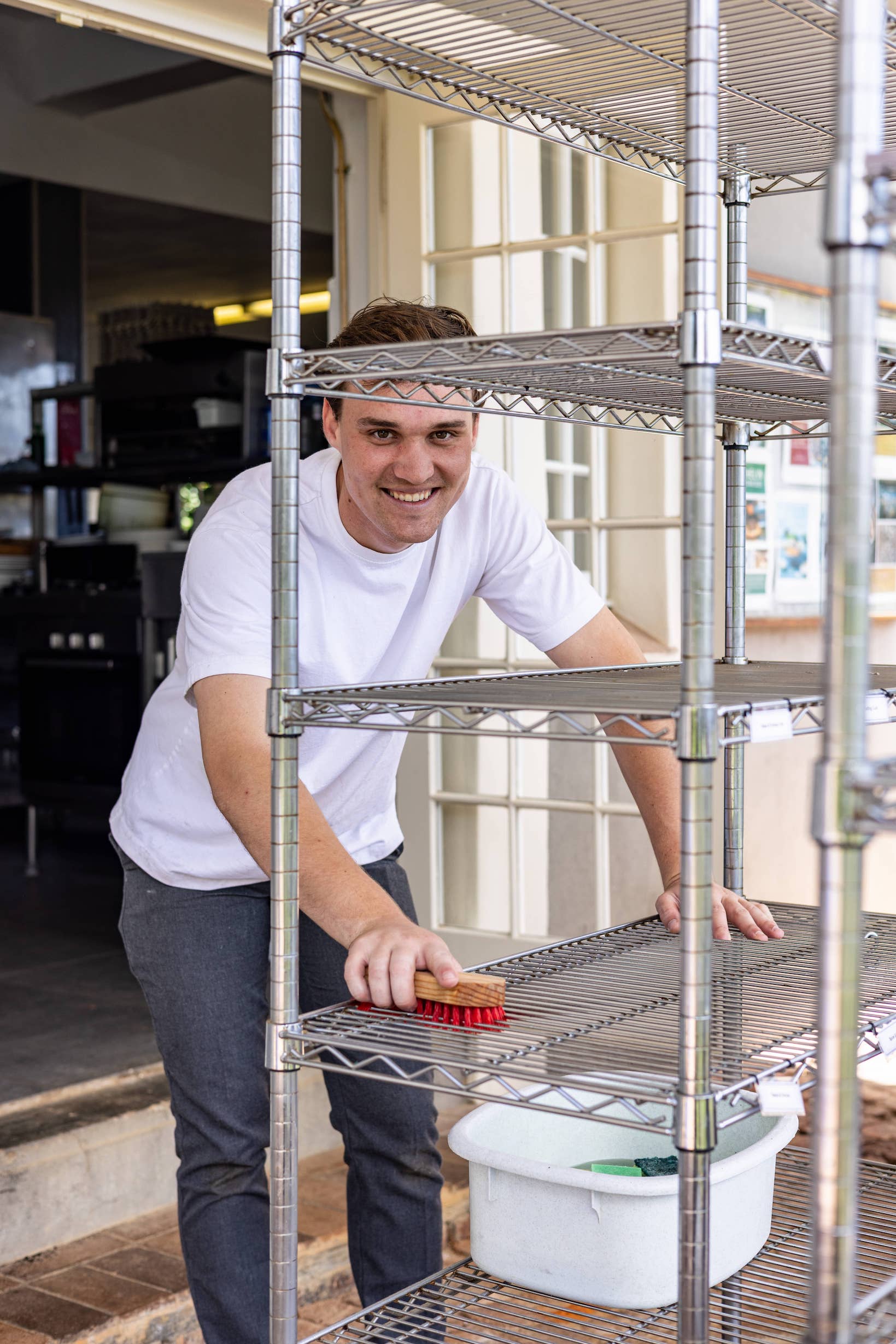
Professional kitchens are built on thousands of small things being done well. Picking, peeling, chopping, sorting, cleaning, preparing, organising, weighing, checking, storing, carrying, resetting and repeating.
To someone unfamiliar with a professional kitchen, some of these tasks may appear mundane. To a student in training, they can be lessons in disguise.
Learning begins at the beginning
ICA students are not placed in industry simply to fill a gap in a staffing schedule. They are there to learn.
And sometimes, learning means beginning at the beginning.
A professional kitchen depends on people who understand that every task contributes to the final result. A small error in preparation can affect an entire service. Poor organisation can slow down a team. Inconsistent execution can compromise quality.
The discipline required to perform a simple task properly is the same discipline eventually required to execute a complex one. That is why there is no such thing as a task “too small” when a student is being properly taught through it.
The difference is in the instruction
The task itself may be simple, but the learning does not have to be.
A student who is shown not only what to do but why it matters is gaining an understanding that can be applied far beyond that particular task.
Why must ingredients be prepared in a certain way?
Why does consistency matter?
Why must a workstation be organised?
Why does timing matter?
Why does the team depend on you doing your part properly?
These are the questions that turn routine work into professional education.
Excellence in the ordinary
One of the most important lessons a young chef can learn is that excellence is not reserved for the extraordinary. Excellence is developed through doing the ordinary, excellently.
A student who learns to take pride in a seemingly insignificant task is developing a professional habit. They are learning that quality should not depend on whether someone is watching or whether the task will receive recognition. Such a mindset eventually transfers into more complex responsibilities.
Becoming part of the brigade
Tasks also teach students that they are part of something larger than themselves.
In a professional kitchen, one person’s actions affect everyone around them. Arriving prepared, completing a task properly, communicating when something goes wrong and stepping in when help is needed are all part of becoming a reliable colleague.
The task may be small. The lesson is not.
For the mentor, this means recognising the educational value within the everyday work of a kitchen. For the student, it means approaching every opportunity with the willingness to learn.
Because professional excellence is rarely built in one spectacular moment. It is built through thousands of ordinary things, done exceptionally well.
Next in the Mentorship Matters series: From First Placement to Third
A first industry placement is about finding your feet; a later placement is about stepping up. In our next article, we explore how mentorship evolves as students gain confidence, experience and independence — and how the expectations placed on them should grow alongside them.