
Why an industry placement forms part of an ICA education
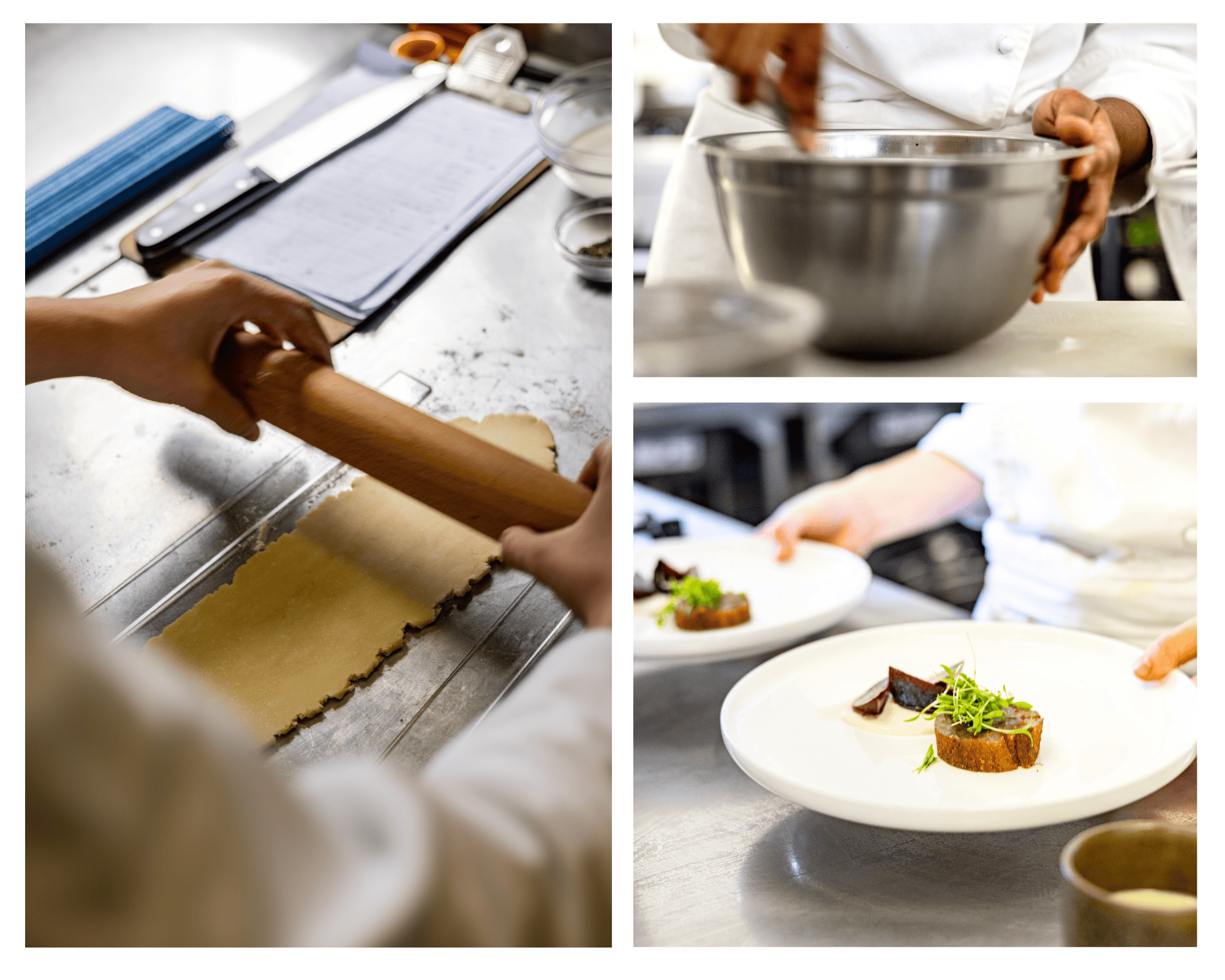
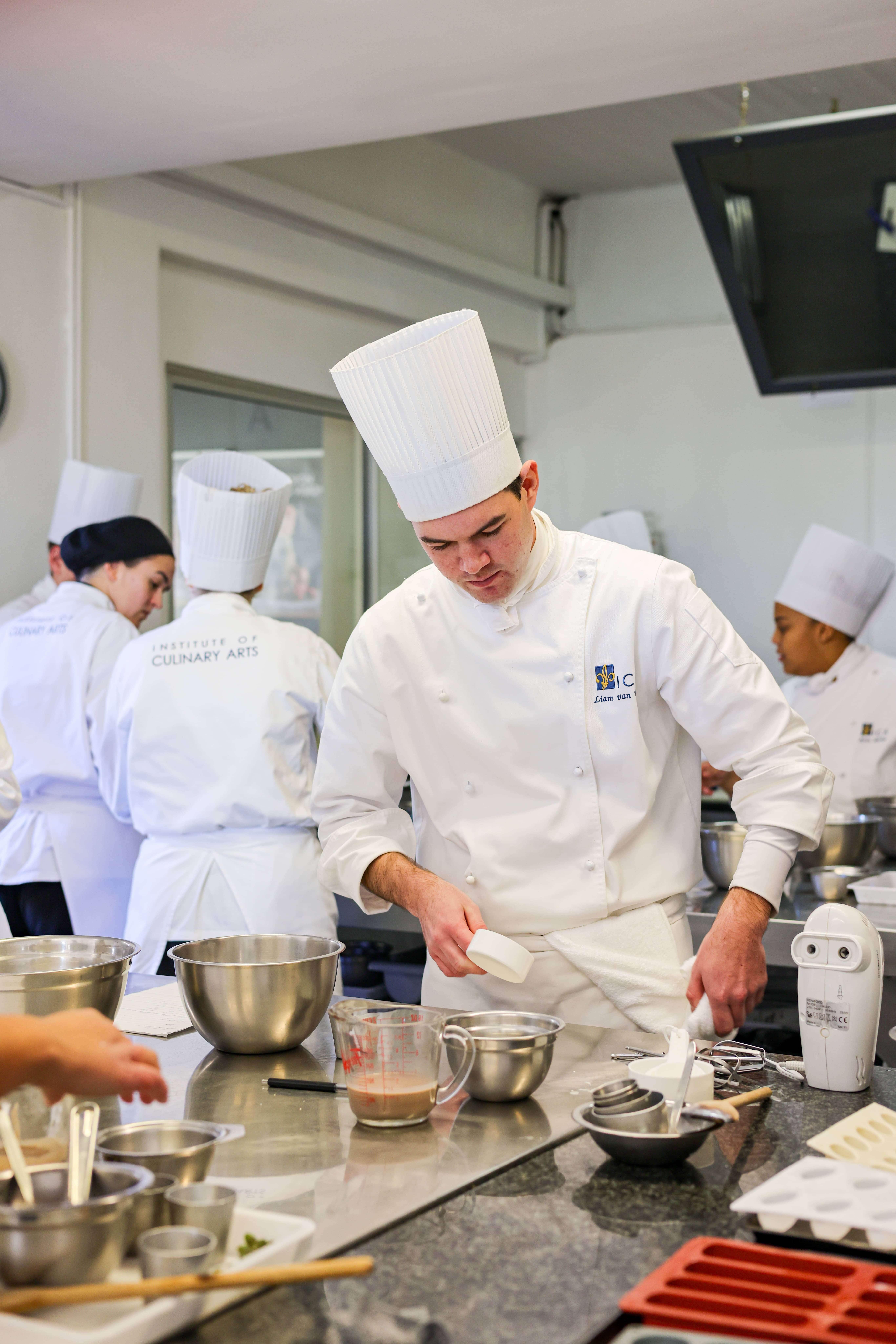
A certain amount of time into a culinary student’s education, the classroom changes shape. The student leaves the familiar ICA campus and enters a professional kitchen.
The equipment may be different. The people are different. The pace is different. But the student has not stopped learning. They have simply entered another kind of classroom.
Education beyond the campus
At the ICA, industry placements are not regarded as a break from education. They are an integral part of it.
Students leave campus with a foundation of culinary knowledge and practical skills. In the industry, they encounter another dimension of their training: applying what they have learned in an environment where timing, consistency, communication and teamwork are no longer merely theoretical concepts.
They become part of a working brigade. They experience the realities of service. They learn what it means to arrive prepared, take instruction, manage fatigue, maintain concentration and contribute to a team.
This is why the ICA takes the placement process so seriously.
Finding the right environment
Placements are not simply assigned when the academic block ends. Throughout their time on campus, ICA lecturers get to know their students exceptionally well. With a student-to-lecturer ratio of 1:6 and small, intimate classes, students receive individual attention, allowing lecturers to observe their individual strengths, abilities and aptitude, as well as areas where further development may be needed.
These observations, together with each student’s overall performance, inform a carefully considered and highly individualised placement process. ICA lecturers may have high aspirations and expectations for a student, but that does not necessarily mean placing them immediately into the most demanding environment. Sometimes, the most valuable placement is one that provides the right conditions for particular skills, habits or areas of development to be strengthened first.
The ICA’s commitment to industry placements extends to having a dedicated full-time Placement Coordinator and Industry Liaison Specialist – Antoinette van Zyl. An ICA graduate herself, Mrs Van Zyl also brings extensive hospitality industry experience, having worked across numerous luxury safari properties in Botswana, Kenya and Zimbabwe, as well as experience in top South African restaurants and the ICA campus as a lecturer. She understands both the industry and the ICA’s ethos, working closely with lecturers to consider each student’s placement before a decision is made.
Unlike some institutions where students may select their own placement from a list of establishments, ICA carefully chooses a chef mentor and industry environment we believe will be the right fit for a particular student at that particular stage of their development. Every placement is considered in depth, with the student’s potential, character, capabilities and developmental needs taken into account. The aim is not merely to place a student somewhere they can gain work hours, but somewhere they can learn, grow and be challenged in the ways that will best prepare them for the next stage of their journey.
The ICA also maintains communication with its industry partners throughout the placement period. Having a dedicated placement liaison such as Mrs. Van Zyl helps ensure that communication remains open and that potential concerns can be identified and addressed as early as possible.
This level of involvement reflects just how seriously the ICA regards industry placement as part of a student’s education.
Learning by immersion
Once placed, students are encouraged to immerse themselves fully in the experience.
Ask questions.
Observe.
Listen.
Volunteer to learn.
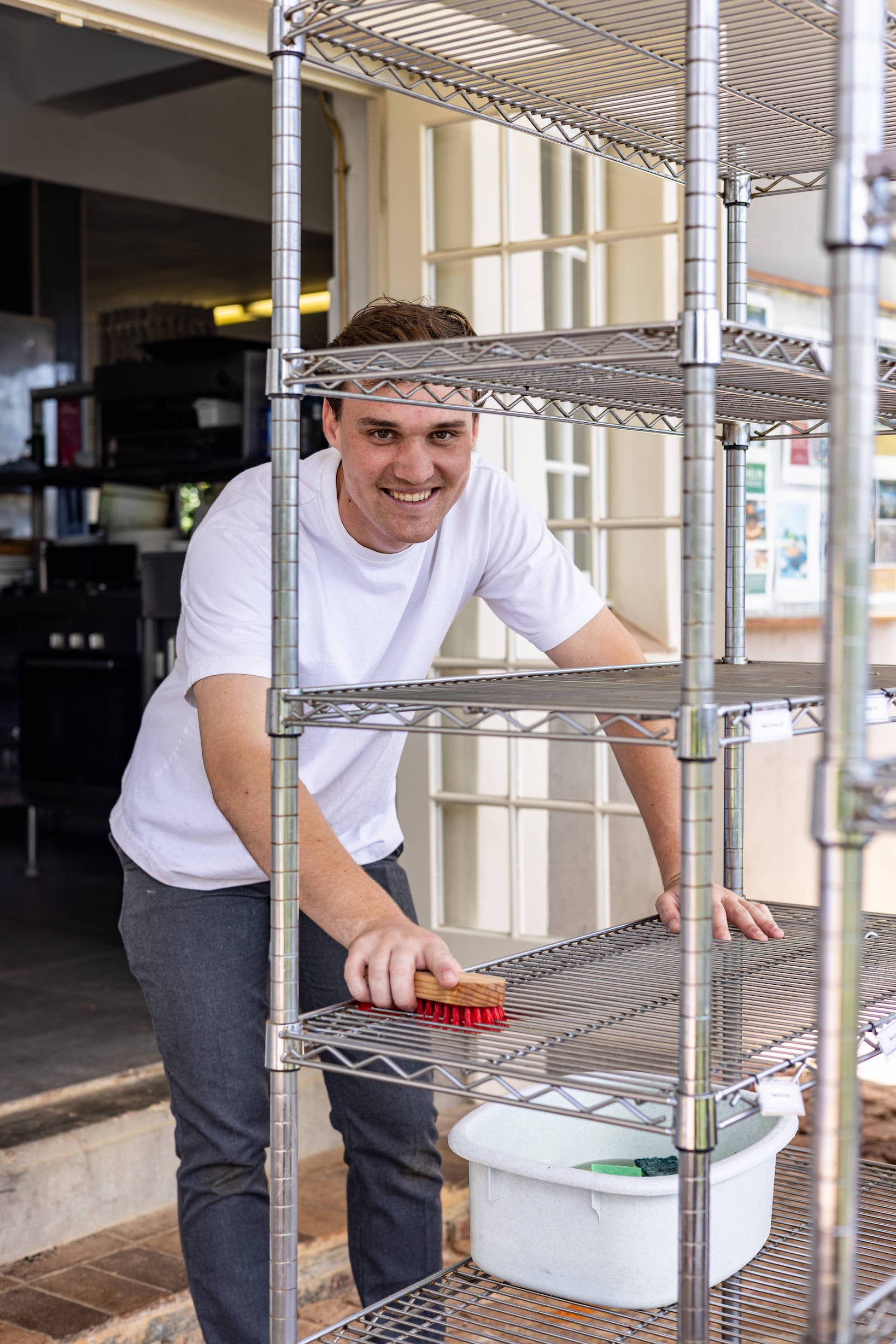
Learn from the tasks you enjoy, but also from those you do not.
Every kitchen has something to teach. Sometimes the lesson is technical. Sometimes it is about teamwork or communication. Sometimes the lesson may only become clear years later. And sometimes the most valuable lesson may even be how not to do something. But there will be lessons for those willing to learn them.
For this reason, students should approach their placement not simply as a job, but as an opportunity to learn as much as possible from the people and environment around them.
An industry placement may be temporary, but the knowledge, experience and professional habits developed during that time can last a lifetime.
Next in the Mentorship Matters series: No Such Thing as a Task Too Small
From the simplest preparation to the most demanding service, every task in a professional kitchen has something to teach. In our next article, we explore why learning to do the ordinary extraordinarily well is one of the most valuable lessons an aspiring chef can take from industry placement.